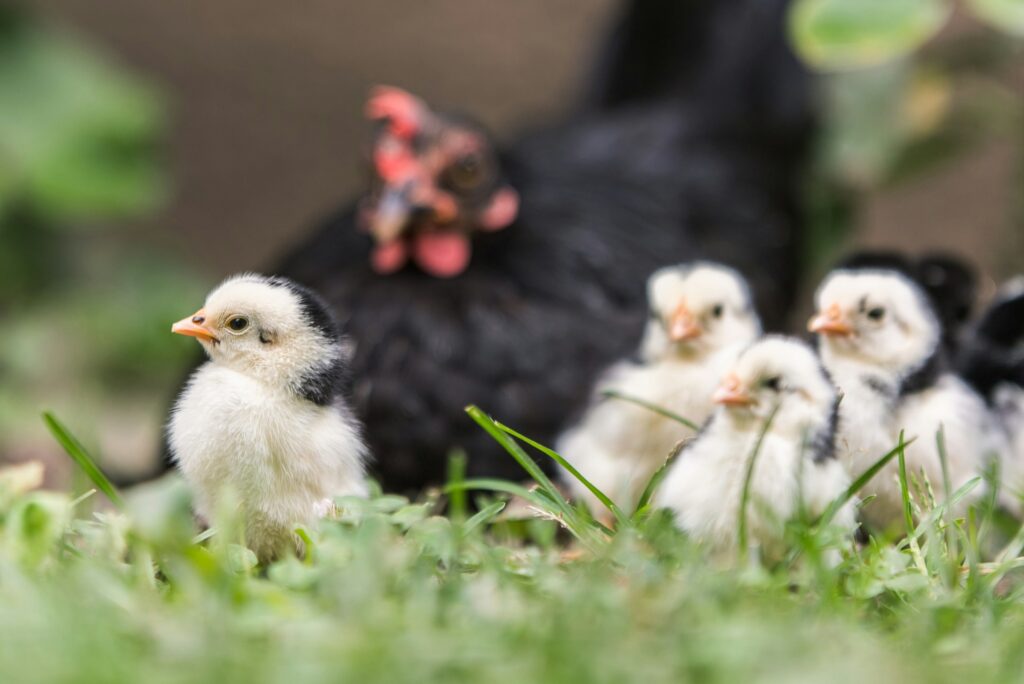
It’s hard to wrap your head around the image: a truck carrying thousands of day-old chicks destined for farms and backyard keepers sits forgotten in sweltering heat, without food or water for days on end. In a story that stunned people across the US and beyond, around 12,000 chicks were left in a USPS trailer at a Delaware distribution centre for more than 36 hours. Temperatures reached the mid-80s (about 29 °C), and by the time anyone noticed, the suffering—and loss—had already begun, as reported by NBC News.
The chicks came from a hatchery in Pennsylvania, known as Freedom Ranger Hatchery, which routinely ships batches of farm-fresh birds via the Postal Service. It’s a standard process, and according to the hatchery, safe when handled correctly. But something went horribly wrong. Instead of continuing onwards to destinations in Texas, Florida, Ohio and beyond, the shipment stalled—misdirected, delayed, rejected by other distribution centres—and ultimately forgotten for over three days. When postal staff finally realised what had happened and contacted authorities, officials estimated that a third of the chicks had already died. About 8,100 were rescued, many in a critical state from dehydration, heat stress and exhaustion. These survivors were rushed to First State Animal Center & SPCA in Camden, Delaware—an outfit more accustomed to cats and dogs than tens of thousands of tiny birds.
Shelter director John Parana described the scene as “harrowing.”
Chicks milled around in heated pens, their delicate bodies mustered through constant care. The shelter team worked around the clock, pouring time, resources—and more than US$100,000 worth of overtime, supplies and emergency response—into their rescue, as The Washington Post detailed.
Providing 24/7 heat lamps, fresh water, high-protein feed and nursing for overheated, dehydrated chicks isn’t cheap—or easy. With about 5,000 birds left, the shelter’s no-kill policy meant they wouldn’t allow adoptions for meat farms. Instead, chicks were offered to small farms and families as future egg-layers or pets. But even that pace wasn’t fast enough. By a few weeks in, only a few hundred chicks had been adopted. With the birds nearing ten weeks old—the typical point when Freedom Ranger breeds mature—it raised questions about space, cost, and long-term care.
The situation also sparked public appeal efforts. The shelter posted updates and pleas online, noting just how stretched its volunteers, funds, and pens had become. “We are still asking for donations to help recoup the revenue loss … our staff has worked relentlessly,” one post read. Meanwhile, state officials and the Postal Service began investigations. USPS admitted a “process breakdown” and pledged to review the handling of live poultry shipments to prevent a repeat of what happened.
This wasn’t an isolated incident. There have been other tragic cases—thousands of chicks dying in summer heat after postal delays, including one where nearly 4,000 perished in Maine. The incident highlights an uncomfortable truth: baby chicks, and many other farm animals, are still treated as cargo. Shipped in boxes, stacked in trucks, left in loading bays—they’re classed as livestock, not as sentient beings.
In this case, approximately 14,000 chicks were in transit.
At least 4,000 died. Live animal shipping rules only mandate basic protection within the first 72 hours after hatching. Technically, hatchlings can be transported without food or water for three days. But this shipment stretched beyond that, and into direct midday sun. The rules simply weren’t built to prevent this sort of failure.
As of late May, most of the approximately 5,000 surviving birds had been adopted, according to reports from AP News. The shelter’s focus shifted from emergency care to finding stable homes, all while remaining firm that no adoptions would be approved for meat production. But challenges remain. The shelter continues to seek donations and is advocating for more regulation around how animals—especially vulnerable ones like chicks—are transported.
Meanwhile, the Delaware Department of Agriculture has said it won’t issue compensation unless it recoups costs from USPS first, raising questions about accountability and whether changes will follow. Investigations are ongoing, but for now, the emphasis is on recovery—of both the chicks and the system that failed them.
It’s a story that lingers. On one level, it’s about a catastrophic oversight. But more broadly, it forces a reckoning with how animals are moved through the supply chain. This wasn’t just one mail truck—it’s a glimpse into the larger reality of how living beings are commodified, bundled and often forgotten. That so many people donated, adopted, and volunteered shows the capacity for compassion. But it also lays bare how fragile the safety net really is.
Thousands of chicks survived this disaster. However, next time, the outcome might be worse. The question now is whether this shock will lead to better protections—or just fade away until it happens again.