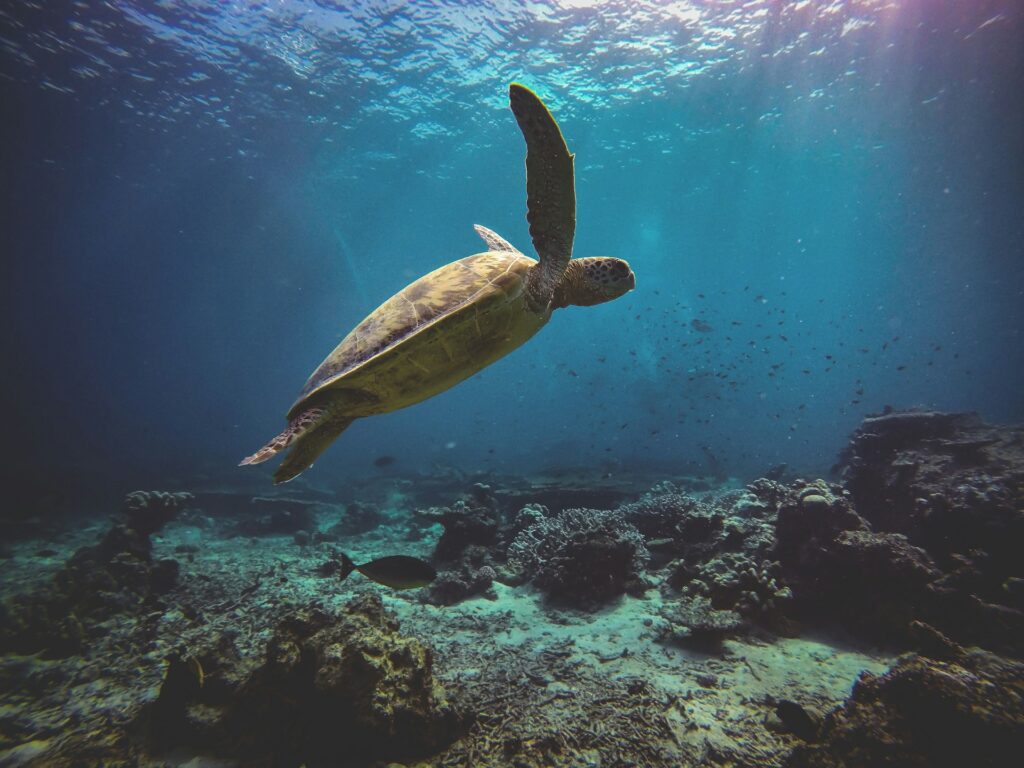
For once, the tide seems to be turning in nature’s favour. After decades of decline, green sea turtles are making a remarkable comeback across parts of the world. Populations that were once on the brink of collapse are now showing steady signs of recovery, thanks to years of protection, community effort, and scientific persistence.
According to BBC News, numbers of green sea turtles have risen dramatically in areas where nesting beaches and feeding grounds have been protected. In some regions, populations that were almost wiped out by poaching and habitat loss are now thriving again. The turnaround has been so strong that scientists are describing it as one of the most successful marine conservation stories in recent memory.
The green turtle, named for the colour of its body fat rather than its shell, has long been one of the ocean’s most vulnerable species. They were hunted for their meat and eggs, their shells used in jewellery and ornaments, and their nesting sites destroyed by coastal development. Pollution and fishing practices made things worse, often trapping turtles in nets or littered debris.
Now, strict protection measures and years of hands-on conservation are paying off. Beaches that were once stripped of eggs are now patrolled by local volunteers. Fishing communities have adopted new techniques to prevent turtles from getting caught in nets. The International Union for Conservation of Nature reports that several key nesting populations, particularly in the Atlantic and Pacific, are showing sustained recovery.
In the western Pacific, numbers have increased at some sites by more than 200 per cent since the 1970s, according to researchers cited by Reuters. Even in parts of the Caribbean, where the species had almost disappeared, nesting has resumed in places once considered lost. It’s a rare reminder that nature can respond if given space and time.
How it happened
The recovery didn’t happen by chance. Many countries introduced strict bans on turtle hunting and egg collection. Conservation groups built hatcheries to incubate eggs safely, released hatchlings back into the sea, and educated local communities on the importance of protecting them. Coastal development rules have become tighter, and light restrictions on beaches are helping prevent hatchlings from becoming disoriented at night.
Equally crucial has been the global push for cleaner oceans. Programmes targeting plastic pollution and ghost fishing gear have had measurable effects on turtle survival rates. And international cooperation has made a difference too, since green turtles migrate thousands of miles between feeding and nesting grounds.
But scientists are cautious about calling the recovery complete. Climate change is already reshaping nesting sites, with rising sea levels washing away beaches and warmer sand temperatures skewing the sex ratio of hatchlings. Even a small temperature rise can lead to far more females being born than males, which could threaten future breeding patterns.
In some areas, tourism is also becoming a double-edged sword. Visitors eager to see nesting turtles bring much-needed income to local communities, but they can also disturb nests or leave behind litter. Conservationists stress that balancing economic opportunity with ecological care is essential if this recovery is to last.
What this means going forward
For marine scientists, the green turtle’s return is proof that long-term conservation can work. Protecting one species has a ripple effect through the wider ecosystem. Green turtles feed on seagrass, which in turn supports fish nurseries and stores carbon. Their presence is a sign of a healthier ocean overall.
It’s also a reminder that even global problems can be tackled locally. In parts of the Caribbean and Pacific, it was small coastal communities that led the charge to protect eggs, restore dunes, and monitor beaches. Their persistence shows what can happen when science and local knowledge align.
The UK might be far from tropical nesting beaches, but the lesson still applies. British marine conservation projects, from protecting seagrass meadows to cleaning coastal waters, benefit from the same principles: patience, cooperation, and consistency.
The sight of green turtles returning to nest where they once vanished is a powerful symbol. It shows that nature can recover if given the chance, but it also highlights how fragile that progress remains. Every success story like this carries a quiet warning not to let complacency undo decades of work.
For now, though, it’s worth pausing to appreciate what’s been achieved. After centuries of exploitation, one of the ocean’s oldest travellers is gliding back into view, and that’s proof that restoration, while never easy, is possible.