More than 100 Labour MPs are calling on the government to raise taxes on gambling companies and use the money to lift restrictions on benefits for larger families. The petition, backed by almost a quarter of Labour MPs, urges the chancellor to introduce a new levy on gambling that campaigners say could raise around £3 billion and lift half a million children out of poverty. The report was first detailed by BBC News.
The campaign puts fresh pressure on Rachel Reeves, who faces growing calls from within her own party to scrap the two-child benefit cap when she announces her first Budget on 26 November. The policy, introduced under the Conservatives in 2017, restricts child tax credit and universal credit payments to the first two children in most households.
Critics of the cap, including former prime minister Gordon Brown, have argued that removing it is the most effective way to reduce child poverty in the UK. Senior Labour figures such as Dame Meg Hillier, chair of the Treasury select committee, have echoed that view, saying it is “the only way we’ll lift children out of poverty in this parliament”.
The Labour government set up a Child Poverty Taskforce to explore alternatives, but its report, originally due in the spring, has been delayed. The chancellor faces a £20 billion shortfall in her fiscal plans and is expected to rely on a mix of tax rises and spending cuts to close the gap.
Pushback from the gambling industry

The proposal has been met with strong opposition from the Betting and Gaming Council (BGC), which represents the UK’s gambling sector. The council warned that raising taxes could lead to job losses and reduced tax revenue if customers move towards unregulated gambling websites.
Writing on the Politics Home website, BGC chief executive Grainne Hurst said large tax increases would “drive customers towards the unsafe, unregulated black market where there are no safer gambling standards, no age verification, and no tax receipts for the exchequer.”
The gambling industry contributes billions to the economy each year, employing more than 100,000 people across betting shops, casinos, and online platforms. But critics argue that its social costs are high, particularly in deprived communities where gambling harm is most prevalent.
The campaign is supported by the Institute for Public Policy Research (IPPR), which has called for the tax rate on online gambling to rise from 21% to 50%, and for taxes on slot machines to increase from 20% to 50%. It has also proposed raising levies on non-racing sports bets from 15% to 25%, arguing that online gambling, which generates the most profit and harm, should face higher rates than traditional betting.
A separate report from the Social Market Foundation recommended that the government avoid merging betting taxes, which is currently under consultation for introduction in 2027, and instead apply higher rates to forms of gambling that are “more harmful and contribute less to the economy”.
The political dilemma
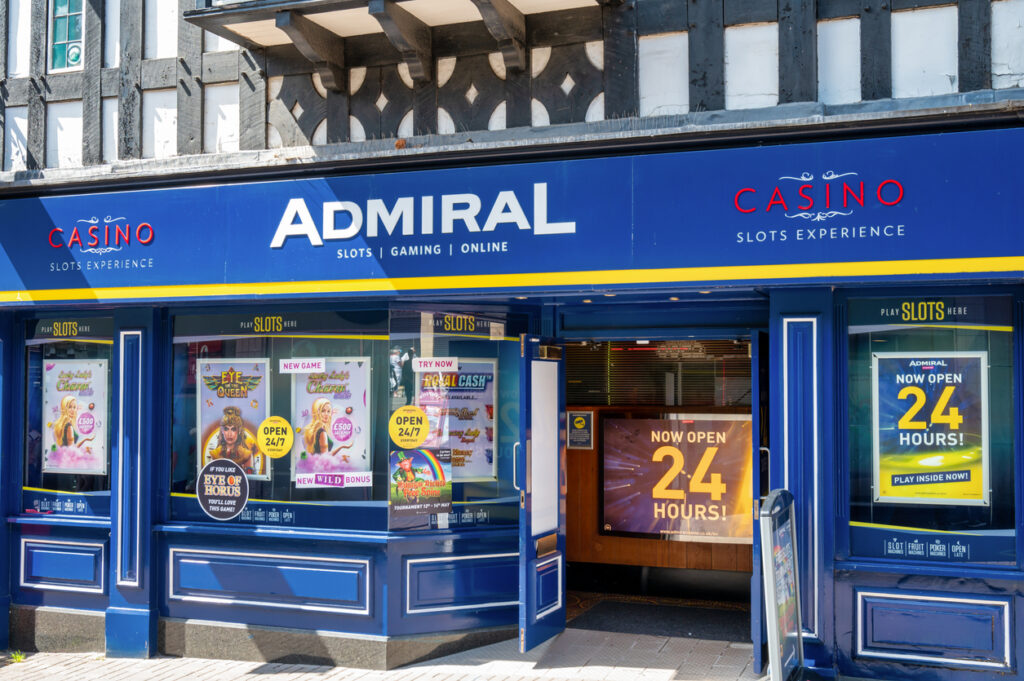
The push for a gambling levy leaves the chancellor in a politically awkward position. While there is growing pressure from within Labour to lift the two-child cap, Reeves has repeatedly said that every spending commitment must be fully funded. Independent estimates suggest removing the cap would cost at least £3.5 billion a year, slightly more than the amount campaigners say could be raised through higher gambling taxes.
Conservative leader Kemi Badenoch has strongly opposed lifting the cap, saying taxpayers “many of whom are struggling to raise their own children or choosing not to have them in the first place” should not have to “fund unlimited child support for others.”
The Labour government’s consultation on reforming gambling taxes is still underway, and any major tax changes would need to be confirmed in the Budget next month. While Reeves has not ruled out the idea of raising gambling duties, she is also under pressure to meet her fiscal rules and keep the economy stable after taking office earlier this year.
For now, the divide within Labour highlights a broader debate about fairness, responsibility and how best to pay for social welfare. Whether the government decides to tax gambling more heavily or hold firm on the current benefit cap, the decision will define not just the next Budget, but the party’s social agenda for the years ahead.