Doctors have now identified a drug more effective than aspirin at preventing heart attacks and strokes—clopidogrel, a long-used blood thinner, and it comes without a higher risk of serious bleeding. This finding, just presented at the European Society of Cardiology congress and published in The Lancet (and later reported by The Guardian), comes from an international analysis of nearly 29,000 patients with coronary artery disease.
A clear edge for clopidogrel, even for people who should respond less well
Coronary artery disease affects millions worldwide by narrowing heart arteries and increasing the risk of heart attacks and strokes. For years, aspirin has been the go-to prevention strategy—cheap, flexible, and easy to obtain. This new analysis takes aim at that habit. Across seven clinical trials, patients on clopidogrel were 14% less likely to experience major cardiovascular or cerebrovascular events than those on aspirin, while rates of serious bleeding—the chief concern with both drugs—were similar between groups.
What makes the finding stronger is its consistency across patient subgroups, even those who might genetically respond less well to clopidogrel. That broad applicability adds weight to calls for clopidogrel to replace aspirin as the preferred long-term option for chronic heart disease prevention.
Prof Bryan Williams of the British Heart Foundation points out that if clopidogrel proves superior without upping bleeding risk, it may shift prescribing habits significantly. And given that clopidogrel is a generic medicine, its affordability strengthens the case for widespread adoption.
What this means for practice, and what’s still missing
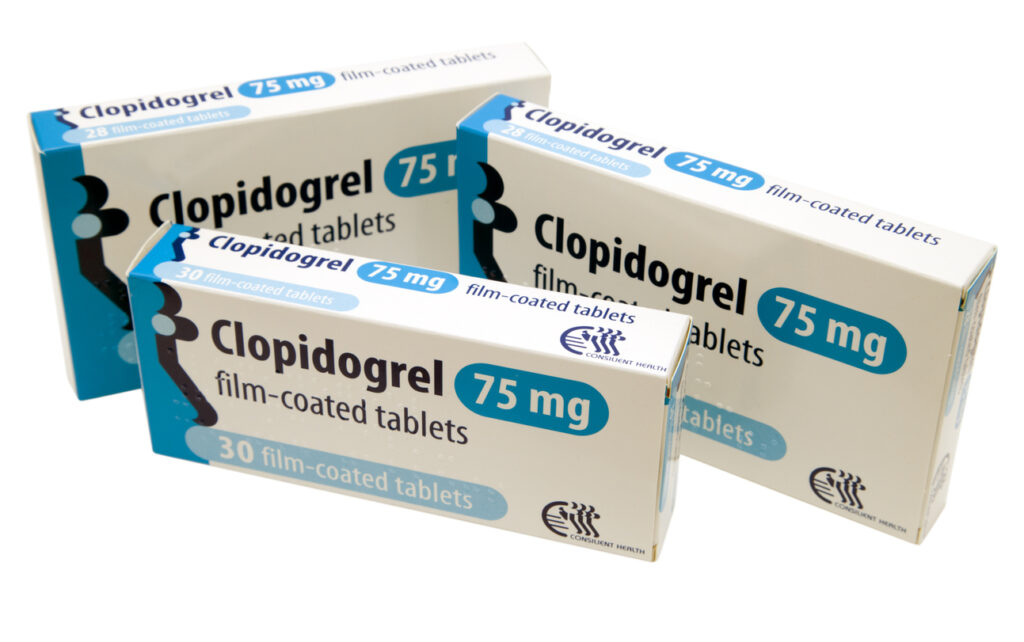
This study could prompt guideline changes in the UK and beyond. Aspirin’s long track record is now being re-evaluated; doctors might begin considering clopidogrel as a first-line option—especially for people living with coronary artery disease.
That said, this isn’t an automatic switch for everyone. Aspirin is available over the counter, while clopidogrel requires a prescription, meaning access relies on health services and clinician engagement. There are also drug interactions to consider—concurrent use with acid-suppressing medications like omeprazole can reduce clopidogrel’s effectiveness, although safer alternatives such as lansoprazole exist.
Cost-benefit analyses will matter too. While clopidogrel isn’t expensive, scaling up for millions of patients will require NHS budgeting and reassurance that long-term savings from avoided heart attacks and strokes will outweigh the additional spending on prescriptions and monitoring.
We also need trials directly comparing clopidogrel with aspirin in contemporary UK populations. And although genetic responsiveness appears less of a concern here, further research into how different patient groups respond will be vital to ensure effective prescribing. Trials examining clopidogrel’s use in people at high risk but currently on aspirin could help refine prevention strategies.
Still, the promise is clear. For patients, a switch could mean better protection from life-threatening events with no extra harm risk. For clinicians, it’s a nudge toward more tailored prescribing. And for public health, it opens a door toward reducing cardiovascular burden using a more effective tool.
This isn’t aspirin’s end. Instead, it may be ushering in a smarter era of prevention—one where evidence, not habit, guides medicine. If clopidogrel becomes the new default, it could help reduce heart attacks and strokes on a massive scale.