In a significant and hopeful step for wildlife conservation, ten critically endangered Siamese crocodiles have been released into the lush Xe Champhone wetlands of Laos. This isn’t just another environmental gesture—it’s a lifeline for a species that once teetered on the edge of extinction. The release was the result of a community-driven effort supported by the Wildlife Conservation Society (WCS), in partnership with Laos’ Ministry of Natural Resources and Environment, and the provincial government of Savannakhet.
What makes this story stand out isn’t only the survival of a rare reptile. It’s how local villagers, conservation scientists, and international supporters have come together to actively reverse a decline decades in the making.
Why the Siamese crocodile matters
Siamese crocodiles (Crocodylus siamensis) were once widespread across Southeast Asia, inhabiting slow-moving rivers, swamps, and marshes in countries like Thailand, Cambodia, Laos, and Vietnam. But through a combination of wetland destruction, hunting, and illegal capture for commercial farming, their wild populations were decimated. By the early 2000s, conservationists feared they might have already vanished from much of their range.
Their decline mirrors a wider crisis facing reptiles and wetland ecosystems around the globe. Yet the rediscovery of a tiny remnant population in Laos two decades ago sparked a new wave of hope—and a chance to rewrite the narrative.
The role of the Xe Champhone wetlands
This latest reintroduction took place in the Xe Champhone wetlands, located in southern Laos. The site is designated as one of only two official Ramsar sites in the country, giving it international recognition as a wetland of global importance. According to the Wildlife Conservation Society, these wetlands provide crucial habitat not only for the Siamese crocodile, but also for a host of fish, amphibians, birds, and other rare species.
The release of the crocodiles here wasn’t random—it was the result of years of preparation. The Xe Champhone ecosystem provides ideal conditions for the reptiles to thrive, including seasonal floodplains, plenty of cover, and access to food sources.
From hatchling to wild survivor
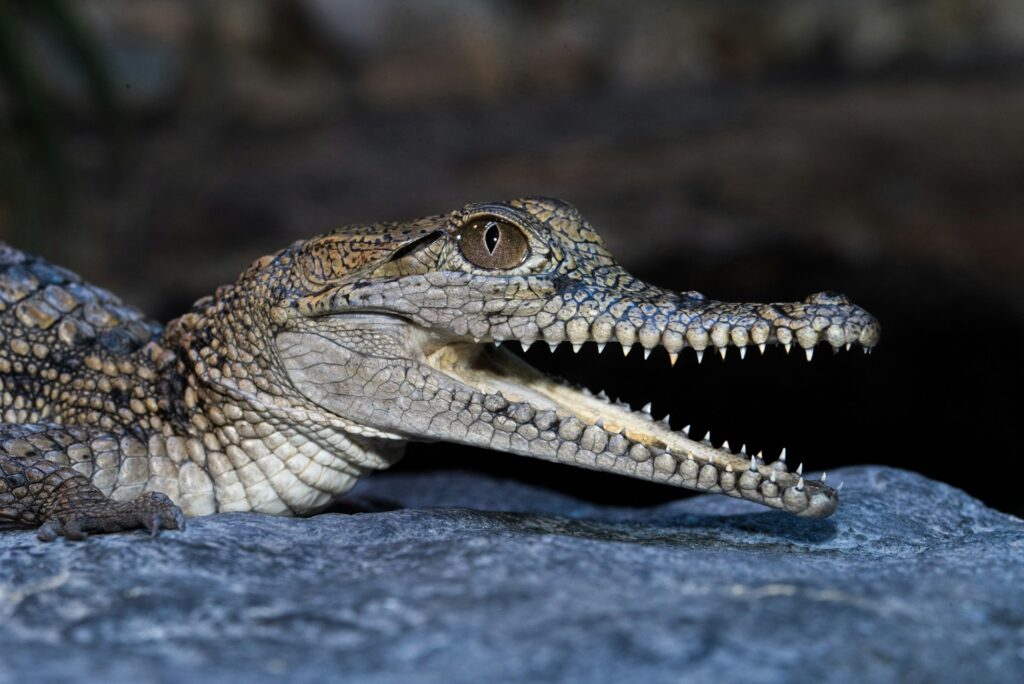
The crocodiles released this year weren’t plucked from the wild. They were part of a local head-starting programme, where eggs are collected, hatched, and raised in captivity until the young crocodiles are strong enough to survive in the wild. This strategy improves their chances significantly, protecting them from predators and environmental threats during their most vulnerable early stages.
Community members play a central role in this process. They monitor nesting sites, care for the juveniles, and work closely with conservation scientists. Currently, 163 young crocodiles are still being raised in village facilities, awaiting their eventual release into safe wetland zones.
This kind of engagement isn’t just good conservation practice—it’s vital. It ensures that the people who live closest to the crocodiles are directly involved in their protection. Local communities have embraced the crocodile as a symbol of spiritual importance and cultural pride, which helps build long-term support for conservation work.
Cultural beliefs and conservation success
In Laos, the Siamese crocodile holds a special place in traditional beliefs. Many villagers see them as protectors of the waterways, spiritual guardians that bring luck and prosperity. Rather than fear or resent the crocodiles, many communities value their presence.
These beliefs have been key to their survival. In fact, some of the areas where crocodiles have persisted are places where traditional taboos against killing or disturbing them are still observed. Conservationists working with WCS have made a point to incorporate these cultural values into their education programmes, reinforcing community stewardship.
Facing the ongoing threats
Despite all this progress, the Siamese crocodile isn’t out of danger yet. Its status remains listed as Critically Endangered on the IUCN Red List. Major threats include habitat encroachment, pollution, illegal fishing, and genetic dilution from escaped farmed crocodiles. The wetlands themselves are under pressure from agriculture and development.
But projects like this one show that extinction isn’t inevitable. With strong local leadership, scientific support, and a commitment to long-term monitoring, it is possible to turn things around. The release of these ten crocodiles may seem modest on the surface, but it’s a step forward in rebuilding a sustainable wild population.
Lessons for the wider region
The Laos project also offers valuable lessons for similar conservation work across Southeast Asia. In Cambodia, a parallel initiative has seen over 100 Siamese crocodiles released into protected areas, with early signs of success. Those efforts, too, rely heavily on local participation, scientific guidance, and habitat protection.
According to conservationists interviewed by Mongabay, what’s working best is an approach that respects both science and community knowledge. Programs that sideline local input often struggle to gain long-term traction. Those that involve people from the start tend to be far more resilient.
In fact, the Laos model is now being looked to as a case study for integrating traditional beliefs, government backing, and hands-on conservation in a way that supports both people and biodiversity.
The bigger picture: saving wetlands and biodiversity
Beyond the crocodile itself, this project is helping to protect a broader ecosystem. Wetlands are some of the most productive and biologically diverse environments on the planet, yet they’re disappearing three times faster than forests, according to UNEP.
Saving the Siamese crocodile requires saving its habitat—and that means managing water resources sustainably, preventing illegal fishing practices, and protecting the wetland zones from agricultural encroachment. These are challenges not just for Laos, but across the Mekong region and beyond.
The work being done in Xe Champhone represents one piece of a much larger puzzle. But it shows what’s possible when conservation is rooted in community support, guided by science, and given the political and financial backing to succeed.
As Dr Chris Hallam of WCS Laos noted, it’s often the grassroots projects, quietly unfolding in remote corners of the world, that end up making the most lasting difference.
“Every egg hatched, every young croc raised and released, is an investment in the species’ future,” he said. “And more importantly, it’s a signal that people care—enough to protect what’s left, and to rebuild what’s been lost.”
It’s a reminder that conservation isn’t just about saving animals. It’s about restoring connections—to land, to water, and to the living systems that make life possible. The Siamese crocodile’s return to the wild isn’t just good news for biodiversity. It’s a sign that with the right tools and the right people, recovery is still within reach.