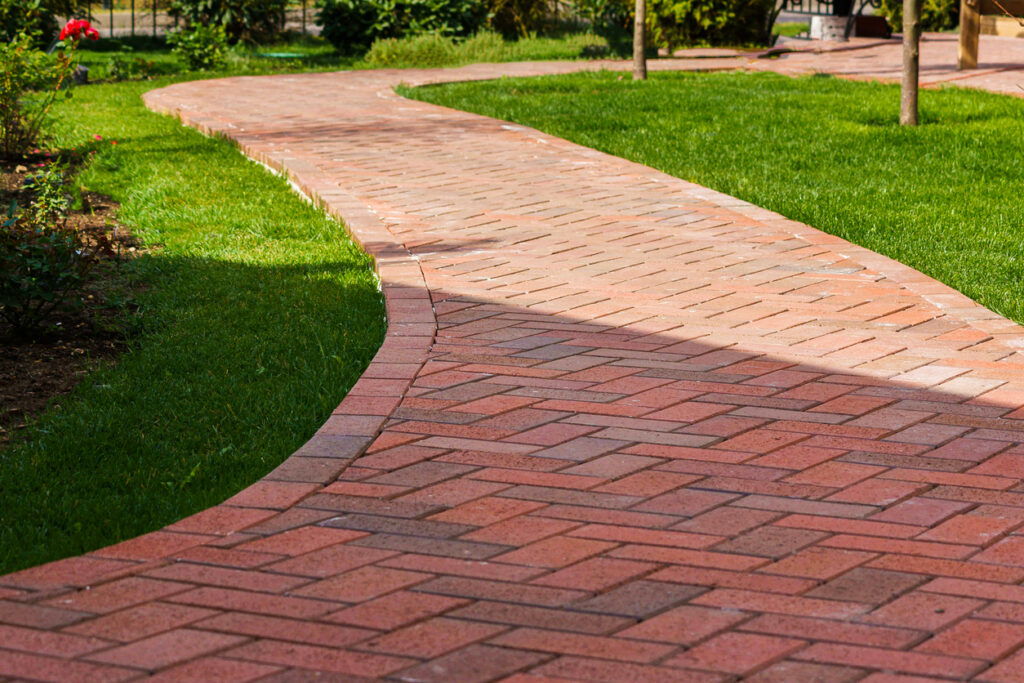
When floods overwhelmed Valencia last October, the devastation served as a stark reminder that climate change doesn’t just mean warmer summers—it means more extreme, unpredictable weather. In response, an architect in Spain’s Castellón province reimagined something most of us barely notice: pavements. Rather than laying traditional slabs, streets in parts of the city are now fitted with ceramic tiles placed upright, just far enough apart to let rainwater flow through into the ground below. The result, as reported by Euronews, is a surprisingly effective defence against flash flooding.
The system, called Drainker, is designed to soak up over 10,000 litres per square metre per hour. That means surface water doesn’t sit around long enough to become a problem. While it’s not going to stop a swollen river bursting its banks, it’s ideal for dealing with the kind of everyday deluges that overwhelm city streets and drains.
Why permeability matters
The problem with modern cities is that they’re largely sealed shut. Pavements, roads, car parks—all of it built with materials that don’t let water in. So when it rains, especially during heavier downpours, all that water rushes straight into storm drains, which then back up. This creates surface flooding, pollution and missed opportunities to replenish the water table.
That’s where permeable paving comes in. These surfaces allow water to soak through tiny gaps, into a gravel base underneath, where it can either be stored temporarily or absorbed into the soil. As GreenBlue Urban explains in their guide to Sustainable Drainage Systems (SuDS), this approach helps prevent sewer overflows and lowers the risk of flooding. It also reduces the amount of oil, rubber, and other urban pollutants that get swept into rivers and streams.
According to a study in the journal Water, permeable pavements can reduce peak surface runoff by up to 75% in some urban areas, easing pressure on drainage infrastructure and reducing flood damage risk. That’s a big win for cities increasingly dealing with heavier rainfall.
How ceramic compares to other options
Permeable concrete and porous asphalt have been around for a while, but ceramic paving offers a different kind of flexibility. It’s visually attractive, long-lasting, and requires no specialist mix—just a smart way of laying standard ceramic materials. A comparative study found ceramic systems can hold their own in terms of drainage efficiency, pollution filtering, and durability.
The big advantage is adaptability. The raised texture and small gaps between upright ceramic tiles create natural infiltration channels. Unlike porous asphalt, it’s not reliant on the material itself being absorbent. And because ceramics are already widely produced, local factories can easily shift into making Drainker-style products.
As architect Jorge Corrales, the man behind the project, pointed out, it’s a simple idea grounded in local expertise. And it’s being taken seriously—Valencia has already started backing pilot installations.
This type of paving does more than just soak up rain. It also helps tackle the urban heat island effect, which is the tendency for cities to be noticeably hotter than surrounding countryside. Traditional concrete and asphalt absorb heat during the day and release it at night, keeping urban areas hot. But when water is stored and allowed to evaporate just below the surface, as it does with Drainker, it helps cool the air naturally.
That makes ceramic paving a good fit with the wider “sponge city” approach, which includes rain gardens, green roofs, and urban wetlands. Together, these elements absorb and store water where it falls rather than funnelling it away as quickly as possible.
Ceramic paving is not just a theory—it’s in the ground already. Manufacturing is underway in Spain, and the aim is to spread the concept beyond Castellón and Valencia. Easy installation, good drainage, support for local industry, and low maintenance make it a promising candidate for wider adoption.
Other cities around the world are already investing in similar permeable paving solutions. In Chicago, city planners have used porous pavements in car parks and pavements to reduce runoff and improve water quality. A report from the U.S. Environmental Protection Agency found that permeable paving not only manages stormwater effectively but also improves air quality and lowers pavement surface temperatures.
It’s not perfect, but it’s close
Of course, no system is flawless. Permeable paving needs maintenance—leaves, dirt and general debris can block the gaps, reducing effectiveness. Sweeping, vacuuming or jet-washing might be required, especially in busy areas. And while ceramic paving is durable, it needs proper installation to withstand heavy loads and seasonal weather changes.
Upfront costs can also be higher than traditional paving. But when you factor in reduced flood damage, lower drainage costs, and a longer lifespan, the long-term economics start to look pretty good. A cost analysis from Water Research Foundation backs this up, showing that permeable systems often pay for themselves within years.
A good fit for British cities
The UK is no stranger to floods. From the Thames Valley to the Lake District, extreme rain events are becoming more common. That’s why some towns and cities, including Hull and Mansfield, have started investing in sponge city infrastructure. Green roofs, tree pits, rain gardens and permeable pavements are all being tested to help slow water down and keep it close to where it lands.
In Cornwall, homeowners are turning to resin-bound gravel instead of concrete for driveways, helping rain soak into the ground instead of running into storm drains. Ceramic paving could be a natural next step for city centres, school grounds, parks and transport hubs. It’s neat, strong, and easy to match to local design styles.
The Environment Agency has already published standards encouraging local councils to invest in SuDS approaches. Ceramic paving, with its proven drainage potential, slots neatly into that framework.
Small tiles, big potential
What makes this idea powerful is that it doesn’t rely on tech. It’s not a sensor network or a flood barrier that costs millions. It’s a rethink of how we lay the ground beneath our feet. And sometimes, those simple shifts can have the biggest knock-on effects.
Ceramic paving can’t solve everything. It won’t stop major floods or replace the need for better river management. But as part of a layered solution—one that includes green spaces, upgraded sewers, and climate-smart policies—it plays an important role. It works quietly, absorbs water, cools the city, and doesn’t ask much in return.
As more cities look to climate-proof themselves for the future, Drainker might just offer one of the most down-to-earth ways forward.
Let’s face it—if the answer to our flooding problems is already underfoot, we’d be daft not to use it.