Nicknamed Goldilocks at school, 12-year-old Jack from Cardiff ignored months of teasing about his long blond curls. While classmates made jokes, he quietly kept growing his hair — because he knew it would one day help a child going through something much harder.
When he finally cut it, he donated 13 inches (33 cm) to The Little Princess Trust, a Herefordshire-based charity that provides free real-hair wigs for children and young people up to the age of 24 who have lost their own hair through cancer treatment or other health conditions.
“There was a lot of teasing in school and name-calling, but they’ve all said now they’re sorry,” he told the BBC. “They were very shocked that my hair was gone.” He added that the idea came from his mum: “When I decided to cut my hair, my mum brought up a charity called The Little Princess Trust, and I thought it was a really nice thing to do.”
Not only that, but Jack raised money for the organisation to go along with his hair. “Having been growing his hair out for the last 4 years to donate, Jack has recently made a super generous 13 inch hair donation in time for his 12th birthday 🥳,” the charity shared in an Instagram post. “He has also managed to raise a wonderful £1,100 for our mission of giving Hair and Hope too! What a SuperHairo! His mum, Holly, told us: ‘We feel we have not only helped the charity with our donations, but have also raised awareness of the charity to our friends too!’ We are so grateful for Jack’s wonderful support, and we hope he had a fantastic birthday.”
How one haircut becomes hope
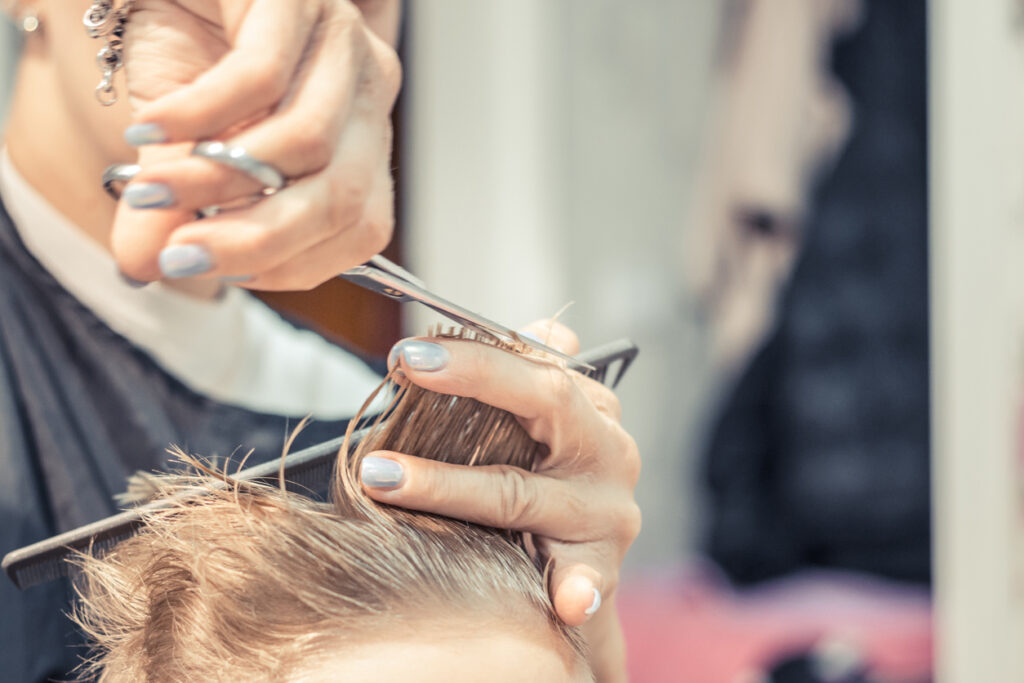
Every wig the charity makes begins with donations like Jack’s. Hair has to meet strict guidelines: it must be clean, dry, and usually at least 12 inches long. Once received, it’s carefully sorted, cleaned, and sent to specialist wig-makers who blend hair from multiple donors to create a natural look.
Each wig can take between seven and ten individual donations to make, and can cost up to £700 to produce once materials and wig-making are factored in. That’s why the charity also welcomes fundraising and financial support alongside hair donations.
What makes these wigs different is that they’re made from real human hair, not synthetic fibres. For many children, especially those who’ve lost their hair through chemotherapy, that authenticity makes a huge emotional difference. The texture, movement, and appearance of real hair can help restore a sense of normality, something that’s often lost during long medical treatments.
The charity’s work goes beyond wigs, too. Since it was founded, The Little Princess Trust has also become one of the UK’s largest charity funders of childhood cancer research, contributing more than £23 million to 158 research projects aimed at developing kinder, more effective treatments.
The organisation’s story began in 2005 when Simon and Wendy Tarplee set it up in memory of their five-year-old daughter, Hannah, who lost her hair while being treated for a Wilms tumour, a rare form of kidney cancer. During her treatment, they saw how much losing her hair affected her confidence and sense of identity. They wanted to make sure that other children wouldn’t have to face the same struggle.
In the two decades since, the charity has provided wigs to more than 19,000 children and young people across the UK and beyond. Each donation, whether it’s hair or money, helps ensure that children dealing with illness can still see themselves in the mirror, not just as patients, but as themselves.
The ripple effect of kindness
Jack’s gesture has touched people far beyond his school. His decision to grow and donate his hair shows how small acts can create a chain reaction. In classrooms, at barbers, and online, stories like his often lead to a surge of new donors and fundraisers.
The Little Princess Trust receives thousands of hair donations each month, many from children inspired by others who’ve done the same. Schools have even organised group donation drives, turning haircuts into community events that raise both funds and awareness.
And while Jack’s motivation was simple—to do something good—it carries weight. Research by cancer charities and mental health organisations consistently shows that body image plays a crucial role in emotional recovery for young people going through treatment. The sense of identity that comes from having hair again can ease anxiety and help restore self-esteem.
For every wig made, there’s a child or teenager waiting for it. Some have just begun chemotherapy; others are living with alopecia or long-term medical conditions that affect hair growth. When they receive a wig, it’s more than a piece of craftsmanship. It’s a moment of normality, often arriving at a time when everything else feels uncertain.
Charities like The Little Princess Trust fill that gap with compassion and practical support. Their work sits quietly alongside hospitals and treatment centres, offering something that medical care alone can’t: dignity, identity, and choice.
As for Jack, his curls may be gone, but his decision has already inspired those around him. His classmates, once the source of teasing, have since apologised and praised what he’s done. His story shows that kindness often begins close to home, sometimes with a haircut, a conversation, or the decision to turn an unkind word into something generous.