A breakthrough in regenerative medicine could transform the way dentists treat tooth loss. Scientists are now developing ways to grow human teeth in the lab, a step that could eventually replace fillings, implants, and dentures with real, biological replacements. The development, first reported by CNN, is part of a growing global effort to shift dentistry from repairing damage to regenerating natural tissue.
Researchers at King’s College London have made progress in creating a bioengineered environment where dental stem cells can form tooth-like structures. By developing a special scaffold that mimics the body’s natural support system, scientists can encourage cells to communicate and form enamel, dentin, and pulp in the same way teeth naturally develop. This kind of “biomimetic” environment gives the cells the cues they need to start building organised tooth tissue rather than growing randomly.
The process relies on guiding stem cells rather than inserting artificial materials. If successful, this approach could allow teeth to regrow from a patient’s own cells, reducing the risk of rejection and avoiding the long-term complications that sometimes come with metal or ceramic implants.
How it could revolutionise dentistry
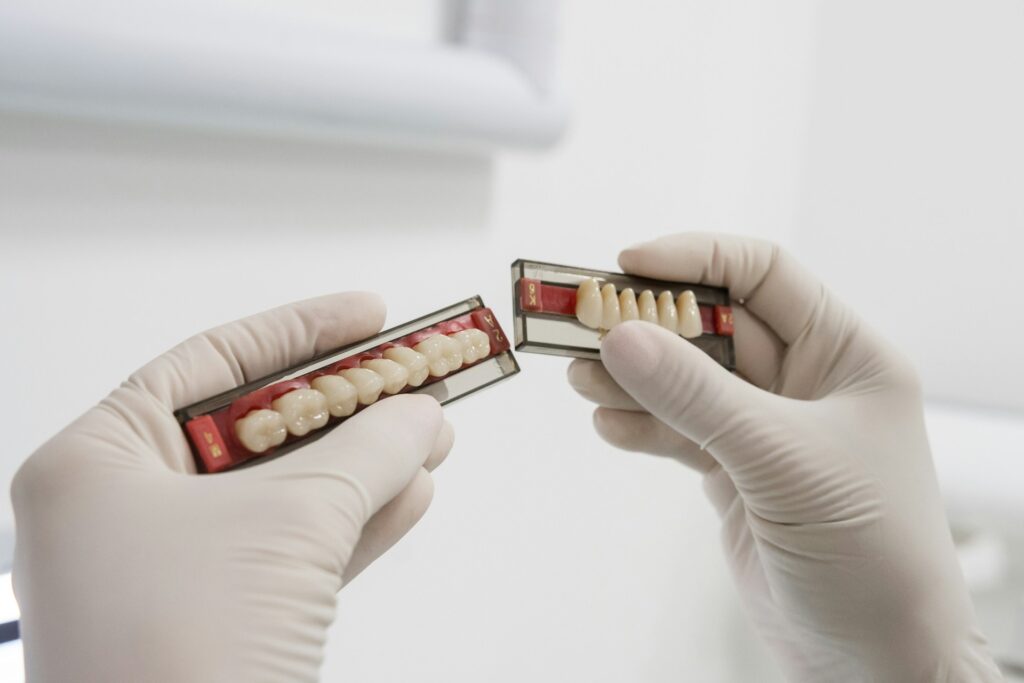
Traditional dentistry often involves patching up or replacing damaged teeth with artificial substitutes. Fillings can weaken over time and need replacement, while implants require surgery and depend on healthy bone for support. Lab-grown teeth could avoid those issues by restoring a natural tooth’s structure and function instead of mimicking it.
For patients, the benefits could be huge. Real biological teeth would be able to sense pressure and temperature, adapt naturally to the mouth and maintain the strength and durability of natural enamel. If the technology continues to develop, it could mean an end to repeated fillings or dentures that wear down.
Although the results so far are promising, researchers caution that the science is still in its early stages. The work done at King’s College London and other institutions has so far focused on partial tooth structures rather than full, functional teeth with roots and nerves. Growing an entire tooth that can integrate seamlessly with the jawbone remains a major hurdle.
There are also practical challenges. Producing a living tooth from stem cells is expensive, and the process must meet strict safety and regulatory standards before clinical trials can begin. Researchers also need to show that lab-grown teeth can survive the stress of chewing and stay healthy for decades once implanted.
Despite those challenges, many scientists believe regenerative dentistry could eventually become part of mainstream care. Over time, bioengineered teeth could be used to replace lost ones entirely or even to regrow enamel for early decay, removing the need for fillings altogether.
The field of regenerative medicine is already transforming other areas of healthcare, from skin grafts to organ repair, and teeth may be next. The potential for dentists to replace a missing tooth with one grown from a patient’s own cells is no longer science fiction but a likely future development.
If researchers succeed, a trip to the dentist in the coming decades might look very different: instead of patching or drilling, the focus could be on regenerating what nature once made.