King Charles III has welcomed a new memorial honouring lesbian, gay, bisexual, and transgender people who have served in the British armed forces, marking what campaigners call a “moment of healing” after decades of discrimination.
In what was his first official engagement in support of the LGBT+ community, the King visited the National Memorial Arboretum in Staffordshire to reveal the sculpture, titled An Opened Letter. The monument is dedicated to LGBT+ personnel currently serving in the forces, and to those who served under the ban on being gay in the military, which was only lifted in the year 2000. The story was first reported by BBC News.
The ban made it illegal to be gay in the armed forces, and for decades it led to intrusive investigations, dismissal, and in some cases, imprisonment. Those suspected of being gay were questioned, stripped of rank, and outed to friends and family. For many, it ended careers and damaged lives.
Veterans who lived through those years attended the unveiling ceremony, describing it as a source of “closure” after years of campaigning both to overturn the ban and to secure government reparations for those affected.
The bronze sculpture, created by Norfolk-based collective Abraxas Academy, resembles a crumpled piece of paper covered in words from personal letters once used as evidence to incriminate service members. The design was chosen from more than 35 submissions by a panel made up of current and former LGBT+ personnel, along with representatives from the Royal British Legion.
Voices from those who lived it
Among the veterans attending was Pádraigín Ní Rághillíg, who served in the Women’s Royal Air Force from 1976 until she was dismissed after being seen kissing another woman. She recalled being interrogated, outed, and even assaulted while waiting to be repatriated from her posting in Gibraltar.
“He was touching my breasts and trying to put his hand down my trousers,” she told the BBC. “He said: ‘I’ll sort you out.’ Apparently there was some kind of sweepstake, some of the guys were betting on who could ‘sort me out’, which was terrifying.”
Her account, like dozens of others, is documented in the government’s Etherton Review, an independent inquiry into the treatment of LGBT+ veterans who served under the ban. The report’s late author, Lord Etherton, described hearing “shocking” testimony of harassment, bullying, and violence during his investigation.
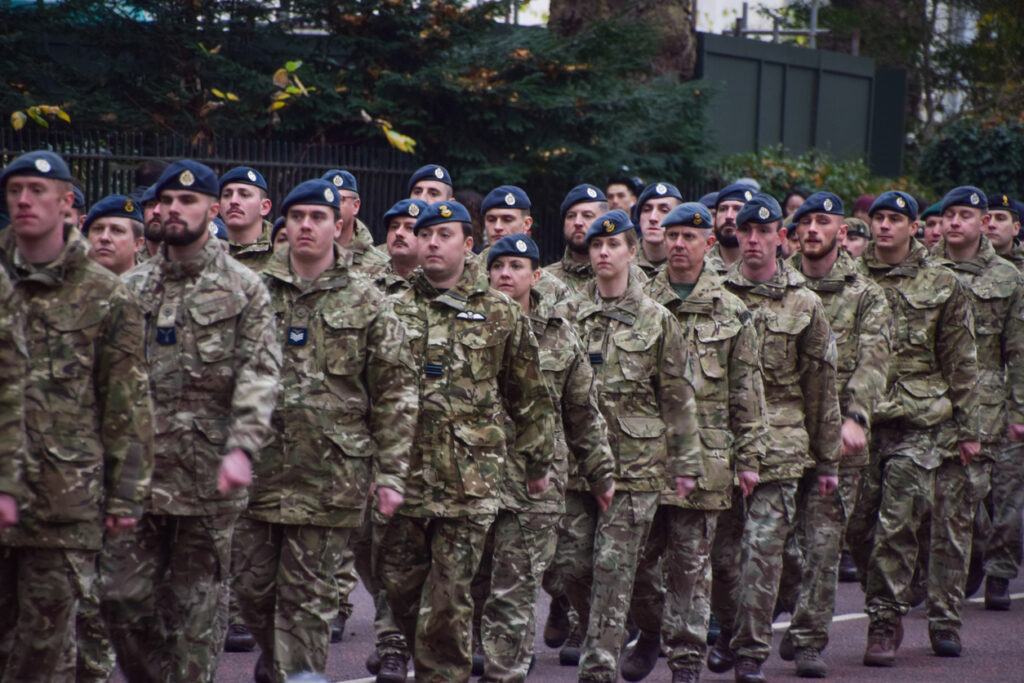
The new memorial is one of 49 recommendations from the Etherton Review, alongside financial redress, the return of medals, and formal pardons for criminal convictions related to orientation. Veterans affected by the ban are now eligible to apply for compensation payments of up to £70,000.
Speaking at the unveiling, Louise Sandher-Jones, the Minister for Veterans and People, said she had been “horrified” by the stories shared by those who lived through the ban and that the event represented a “moment of healing”. Prime Minister Keir Starmer said the sculpture “stands as a lasting tribute to the bravery and service of these veterans.”
The project was led by Fighting With Pride, a charity supporting LGBT+ veterans and campaigning for justice and reparations. Its chief executive, Peter Gibson, called the unveiling “a deeply emotional moment”, saying the memorial physically represents the acknowledgment that “what happened to them should never have taken place.”
A message that will outlive those who served
For many veterans, the monument symbolises visibility and belonging after years of silence. Ní Rághillíg described it as a source of peace, saying it ensures that what happened will not be forgotten. “Given another 20 or 30 years, none of us will be left, but the memorial will be there, and that’s really important.”
Artist Nina Bilbey, who led the design for Abraxas Academy, said it had been “humbling” to create a sculpture with such emotional weight. “They’ve waited so long for some kind of recognition,” she said. “We didn’t want to let them down.”
The Ministry of Defence issued a statement saying it “deeply regrets” the treatment of those affected, acknowledging that the ban was “not reflective of today’s values or the inclusive culture of our armed forces.” The department added that it remains committed to ensuring all service members feel “valued, respected and able to thrive.”
The unveiling of An Opened Letter is more than a commemoration; it is an act of redress. For years, those who served under the ban were erased from the official record. Now, their stories are being recognised publicly, and their contributions formally honoured.
At the National Memorial Arboretum, the King’s act of laying flowers beneath the sculpture marked the moment with quiet dignity. Sunlight fell through the trees as veterans and families stood together, many of them in tears. For some, it was the first time they’d been invited back to an event honouring military service.
As one campaigner put it, this memorial is not just for those who were there, but for the generations who will follow. It acts as a visible reminder that courage and service come in many forms, and that recognition, however delayed, still matters deeply.